On Friday, October 20th, 2023, SpaceX completed a rocket test of Starship at their Starbase location off the Texas Gulf Coast. They fired one of the six Raptor engines in a deorbit setting for when the ship will land on a celestial body. A video of the test burn was posted on SpaceX’s X account.
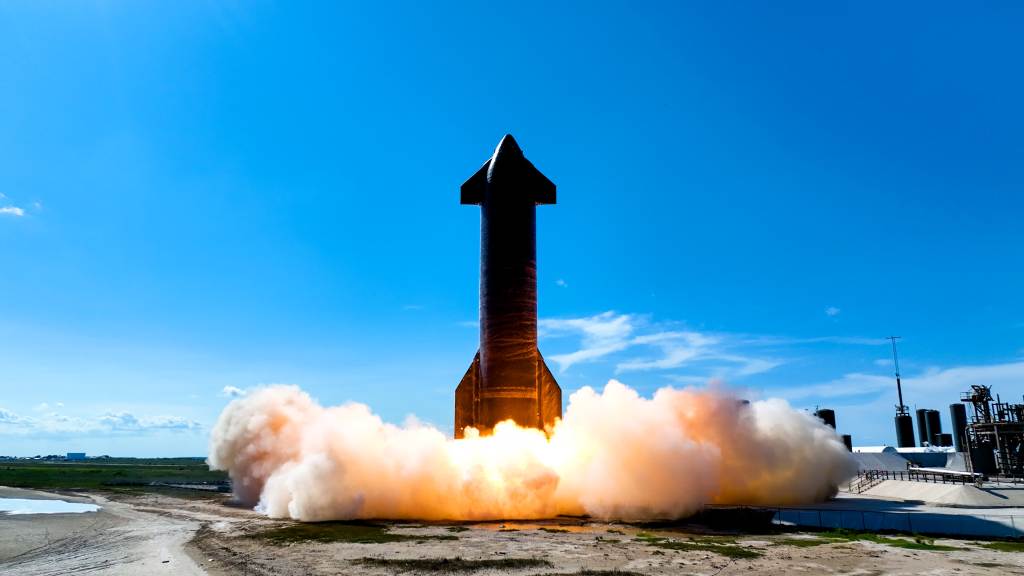
Starship, which costs between $2-3 billion to build, is both the biggest and the most powerful rocket ever built. It was initially presented by its founder and CEO, Elon Musk, back in 2016. His vision was for a large ship and rocket that will be completely reusable, with a future goal to use it for manned missions to Mars and “help humanity to colonize Mars”. Its stages will come back to Earth’s surface to be refilled and reattached for the next mission, saving SpaceX up to billions of dollars. This is where the viral tests of rockets landing on barges come from and have been leading to.
The rocket that will propel Starship is called the Super Heavy, which will have 33 of these Raptor engines inside. During takeoff, these engines will burn for almost three minutes before shutting off all but the three central boosters, which will run at 50% capacity. Then, when the ship separates from the rocket, the engines reengage in a boostback burn, redirecting the Super Heavy back to its landing site and its proper orientation, lasting nearly a minute. Finally, eight minutes after takeoff, all engines will reignite, slowing down the rocket, before being caught by two mechanical arms at Starbase.
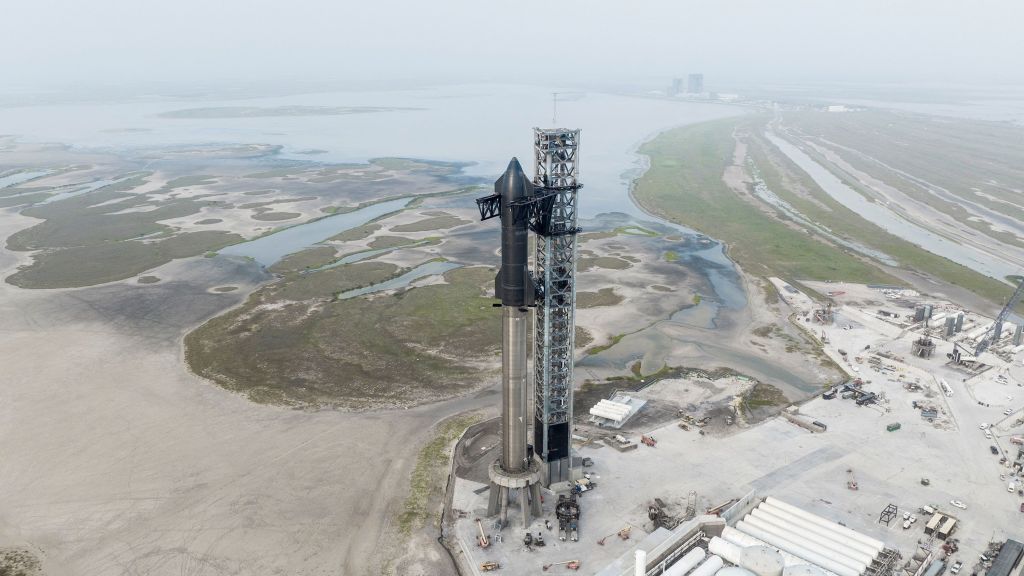
Starship itself is powered by 6 Raptor engines that will only ignite after separated from the Super Heavy rocket. When arriving at its destination, the ship will orient itself vertically and land. This means there is no need for any landing vehicles (like what the Apollo missions used) and will take off using the remaining fuel in the boosters. Due to its size and the amount of fuel needed for its missions, it will be refueled off-Earth, either from locally produced propellant on the Moon or Mars, or when Starship is in orbit with the Earth.

NASA plans on using Starship for its Artemis III and Artemis IV missions planned for 2025 and 2028, respectfully. These Artemis missions will be the first time humans will land on the Moon since 1972 and the Apollo 17 mission.
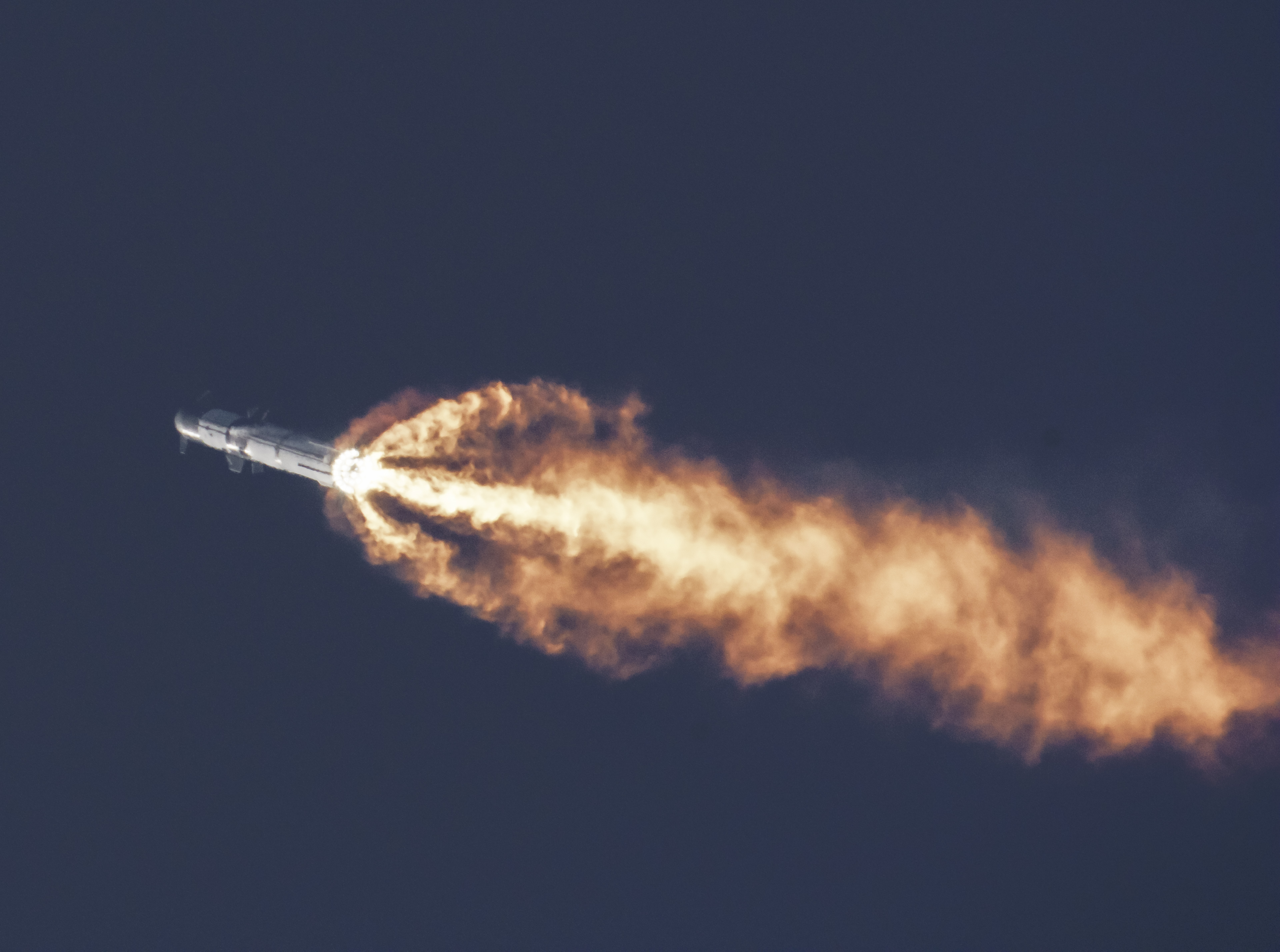
However, there have been some cause for concern. There have been no safe or successful full test of the Starship/Super heavy system yet. Back in April 20th of this year, SpaceX attempted a test, but due to several complications after launched, SpaceX decided to abandon the test, and blew up the rocket. Thankfully, the rocket was unmanned and the surrounding area was evacuated, so there were no casualites.
This resulted in the United States Federal Aviation Administration (FAA) to suspend SpaceX’s launch license, requiring them to run an investigation on the failed test. The company has claimed that they have complied with their request, and has expressed frustration over the delay from the FAA updating their license.
This has not stopped SpaceX from testing certain parts of the spacecraft. As recently as yesterday, October 24th, SpaceX filled both Starship and Super Heavy with over 10 million pounds of fuel, checking for leaks. Once the FAA updates their license, SpaceX will begin their second full test of Starship.
 Space Savvy
Leave a comment