SpaceX’s Starship is one step closer to another test launch.
On October 31st, 2023, the United States Federal Aviation Administration (FAA) completed its safety review of the Starship rocket with its Super Heavy boosters. This review is done to check how different launches affect the surrounding public property and the health of civilians in the surrounding areas.
However, this does not constitute an updated launch license for SpaceX, which is what the company was hoping for. The FAA is now conducting an environmental review with the United States Fish and Wildlife Service (USFWS), primarily focusing on a water deluge under the launch pad.
This deluge system was designed and built by SpaceX to protect the launch pad, which was demolished to a crater during the first Starship test flight back in April 20th, 2023. Chunks of debris littered Starbase, the facility the rocket launched from, and the surrounding area, damaging infrastructure around the pad, with some buildings melting from the intense heat. Thankfully, no one was injured during the test.
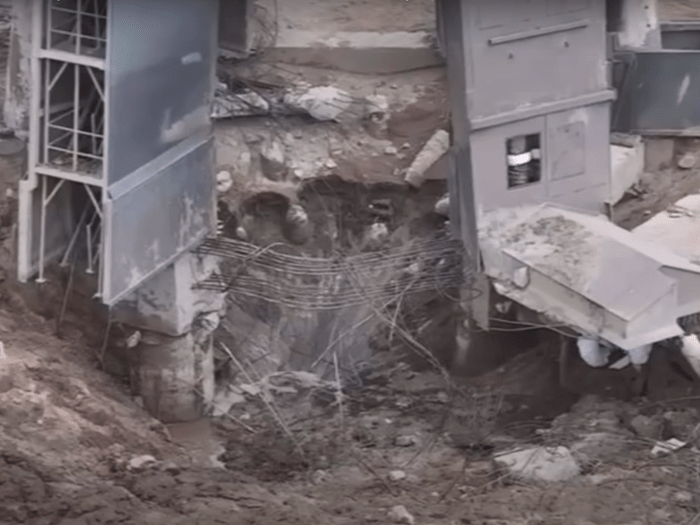
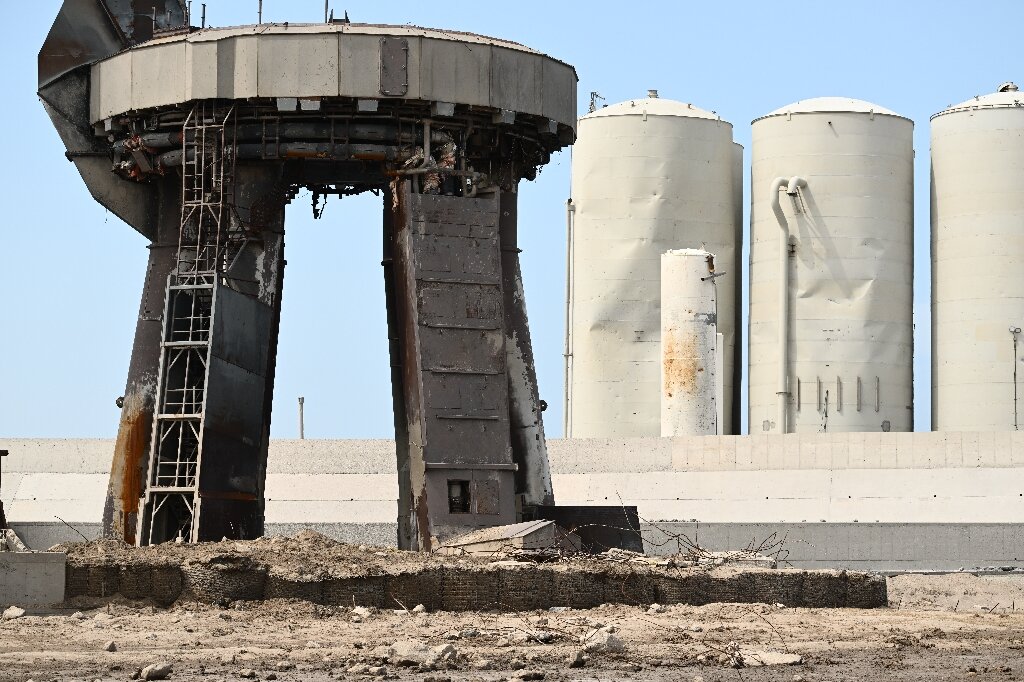
Most of these issues occurred because SpaceX chose not to build a flame trench, a structure that diverts the exhaust generated by the engines away from the launch pad, thus protecting it. Even though it is not 100% foolproof (NASA’s own trench suffered damage during its Artemis 1 launch), there is a chance some damage could have been prevented, and the FAA might not have suspended SpaceX’s launch license.
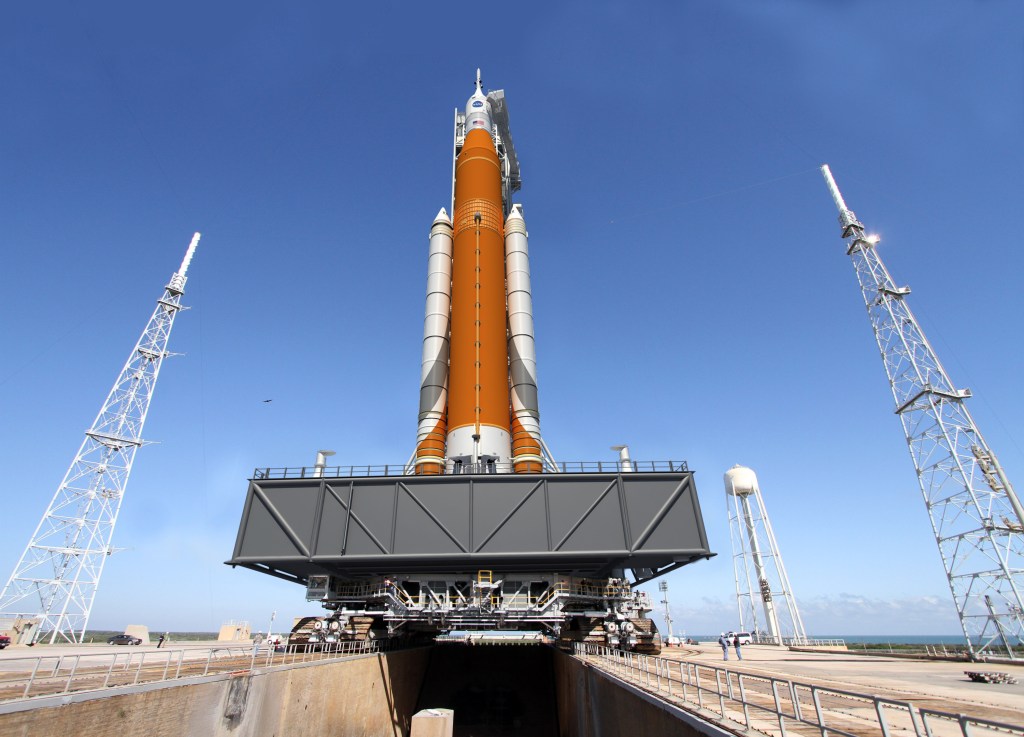
The deluge system plans on mitigating the damage to the launch pad by pumping water into the steel supports, cooling it down and dissipating some of that energy away from any danger. The FAA and USFWS plan on checking what contaminants get into the water, if any, and where that water goes after use, and how it could impact the environment and local wildlife.
Now, it should be said that NASA is planning on using Starship for the upcoming Artemis III and IV missions, landing astronauts back on the Moon for the first time in over 50 years. And this is the same rocket that just blew a crater into the Earth, and destroyed buildings surrounding it. Starship plans on landing vertically so that it can take off without leaving anything behind.
The Moon has no such launch pad to land on or take off from.
Granted, the first test flight of Starship utilized Super Heavy, its booster that contains 33 massive Raptor engines, while Starship itself only has 6, meaning there is less exhaust and should theoretically create less damage on the Moon. While this is true, lunar rock (otherwise known as regolith) is less dense than the Earth, so a crater could still be created.
NASA plans on landing near the Moon’s south pole due to proximity to potential water ice, which is littered with craters. Finding an area that is flat enough for Starship to land is already challenging, but if a crater is created each and every time Starship launches, then there will be continuously less viable options for each mission.
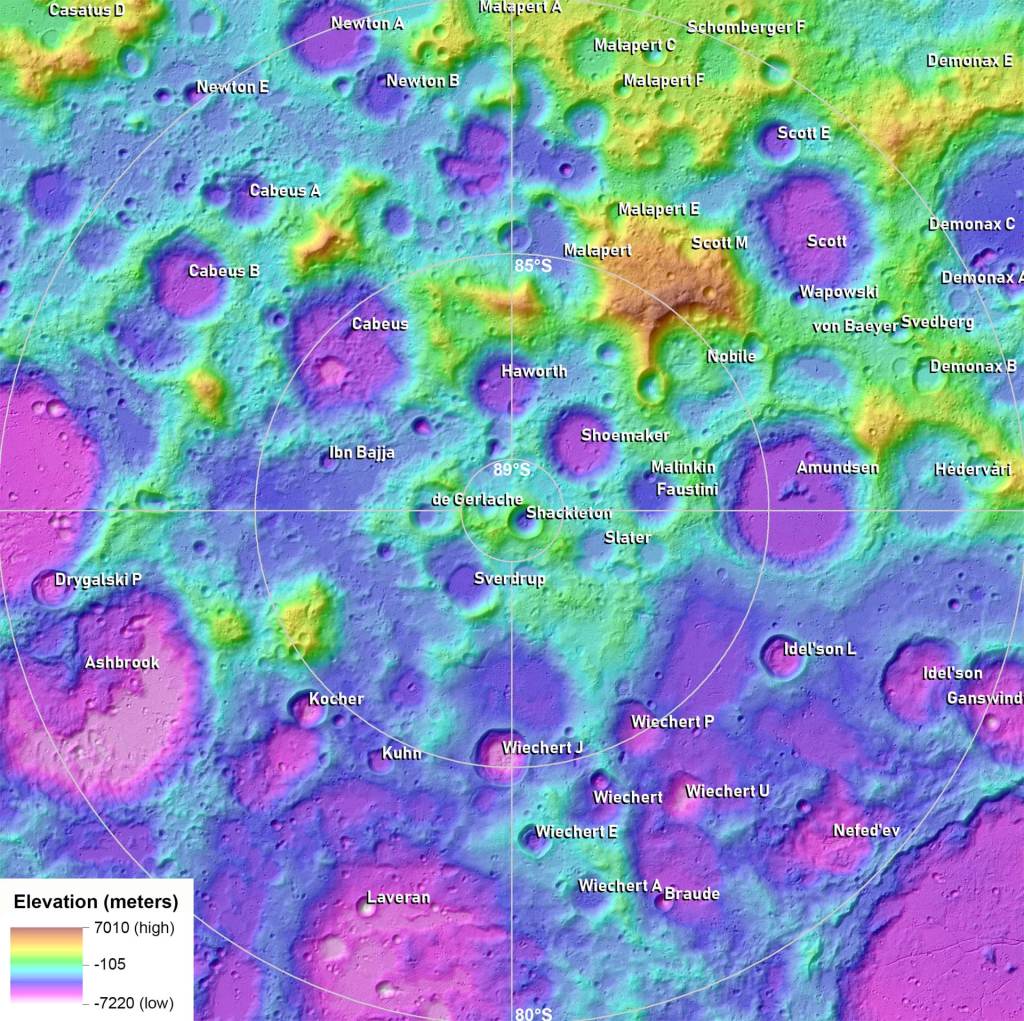
There are also plans to build a lunar outpost (think Moon-base) near the lunar south pole for these missions, especially for Artemis IV, where astronauts plans to spend almost a month on the Moon. The outpost will probably need to be built close to the landing/launch site for maximum efficiency of both fuel and time. How at risk will this base be from debris with every launch, as well as other instruments placed to collect scientific data?
The Moon is also covered in a layer of dust which holds many volatile particles, which can be collected to be studied or sold back to Earth for profit. Regolith itself is comprised of over 40% oxygen, which is important when making the locally-based rocket fuel needed for either Starship or other machines. What good does it do to blast it away with each landing and takeoff of Starship, especially if the Moon is to be used as a “stepping stone” for Mars, as SpaceX expects it to be? That is a lot of resources and data that could ever be recovered again.
As exciting as the prospect is of returning to the Moon and all the amazing new innovations that are being created for this endeavor, it is important to understand how these innovations are implemented and how they impact our goals. SpaceX has not announced or showcased how the rocket will land on and takeoff from the Moon, so there is a chance these concerns will be nullified, which I hope to be the case.
It is expected that the environmental review will be wrapped up shortly, and the next test of Starship will be conducted soon after.
 Space Savvy
Leave a comment