Over the weekend, SpaceX completed another test flight of their Starship rocket. On Saturday morning, November 18th, 2023, Starship launched from their Starbase facility in Texas at 7 am local time, and reached an altitude of 91 miles (148 km) in two minutes and forty-one seconds. And then it exploded.
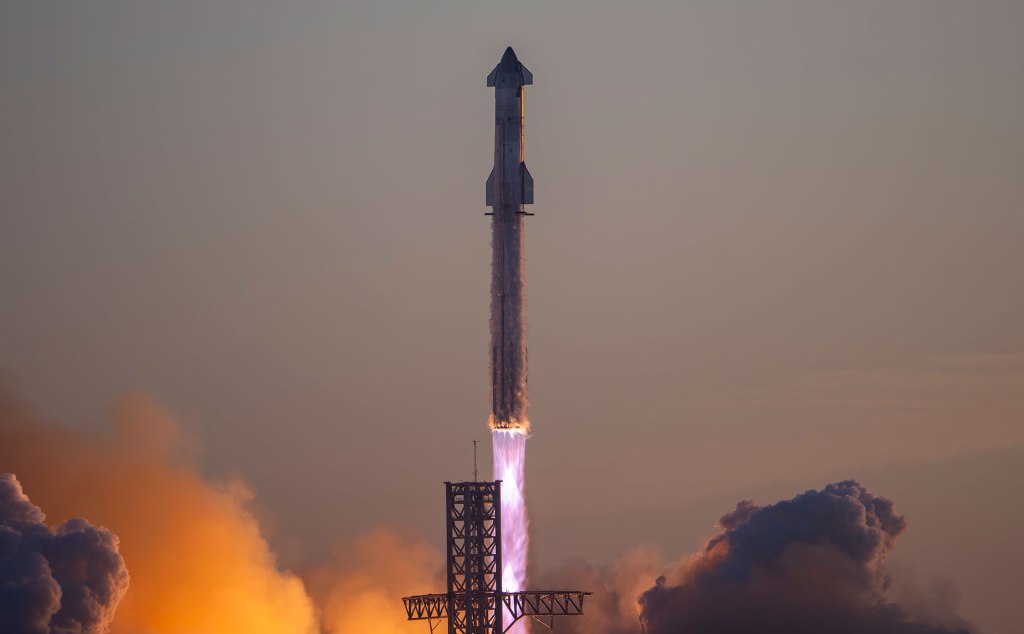
However, SpaceX is considering this test a success, and they honestly should, considering there were many improvements in this test than the previous, which occurred on April 20th.
First and foremost, the test lasted much longer (in a proper condition) and the rocket reached a greater height than the first attempt, which reached only 24 miles (39 km) before tumbling down to Earth. The stages of the first rocket failed to separate at the appropriate time, so the secondary engines of Starship were unable to fire and propel the ship further upward.
To combat this, SpaceX opted to try a new stage separation sequence called “hot staging”, where the second stage engines (Starship) ignite before the first stage (Super Heavy) separates from the rocket. This is not a new strategy (just look at the Titan II from NASA’s Gemini missions in the 60s, or Russia’s N1 rocket), just unconventional.
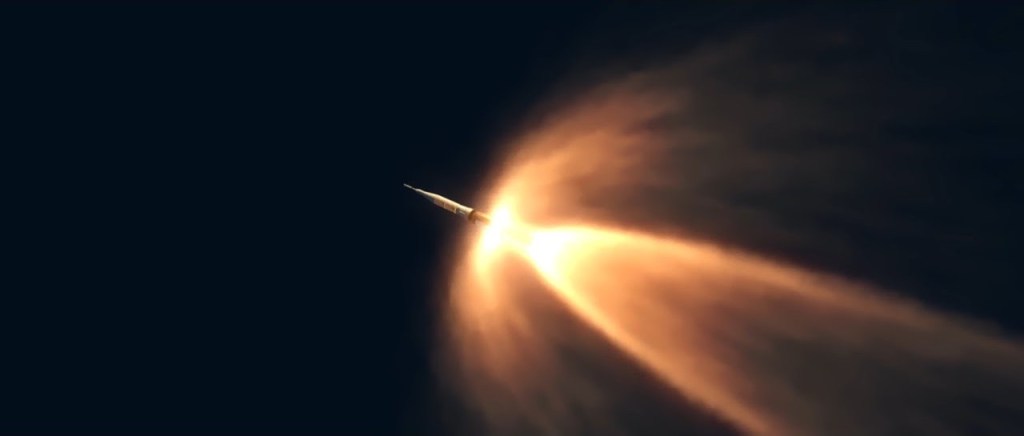
And it seemed to work, at least at first. There was a successful separation of the stages, and the Super Heavy booster was planning on completing a soft landing in the Gulf of Mexico to test reentry and landing procedures. However, when the boostback burn was initiated (where the engines turn back on to reorient the rocket into a position to land safely), the Super Heavy exploded.
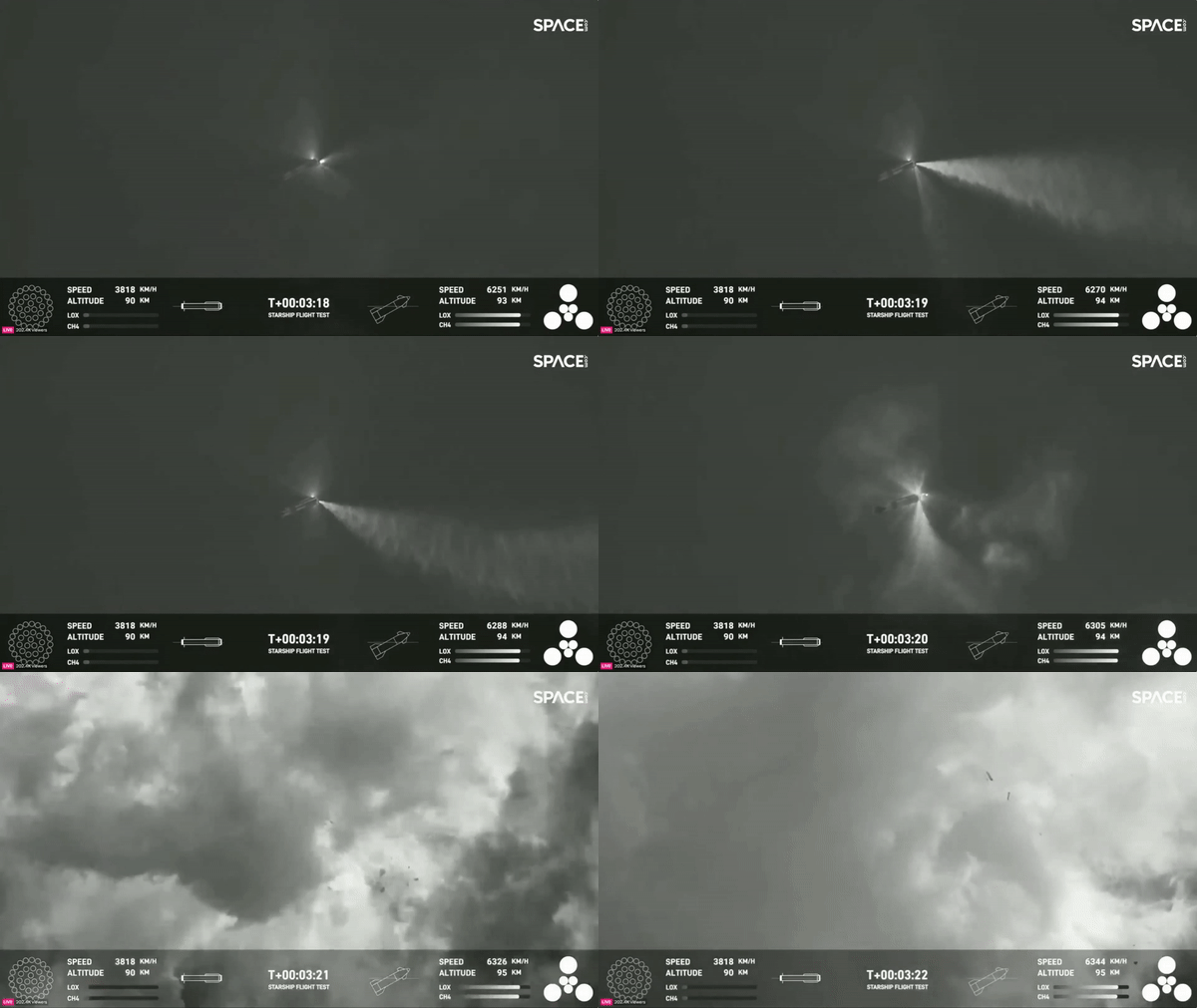
The reasoning for the rocket’s demise has not been released yet, SpaceX still needs to look through the data they collected. Their quality engineer manager, Kate Tice, mentioned during the live broadcast of the event that they will need to improve the hardware before the next test. This might mean that the hot staging strategy led to some unforeseen damage to the Super Heavy mechanisms, damaging the integrity of the system, resulting in the explosion. That is just speculation, though.
After separation, Starship traveled to an altitude of 148 km, as mentioned above, making it the first Starship to enter outer space (the edge of the atmosphere is 100 km). Before the engines could cut, there was a propellant leak, which led SpaceX to destruct the vehicle.
A major cause for concern from the first test came from the destruction it left behind, leading to multiple investigations addressing safety concerns for both local infrastructure and wildlife. The first test dug massive craters into the Earth and melted the launch mount supporting the rocket.
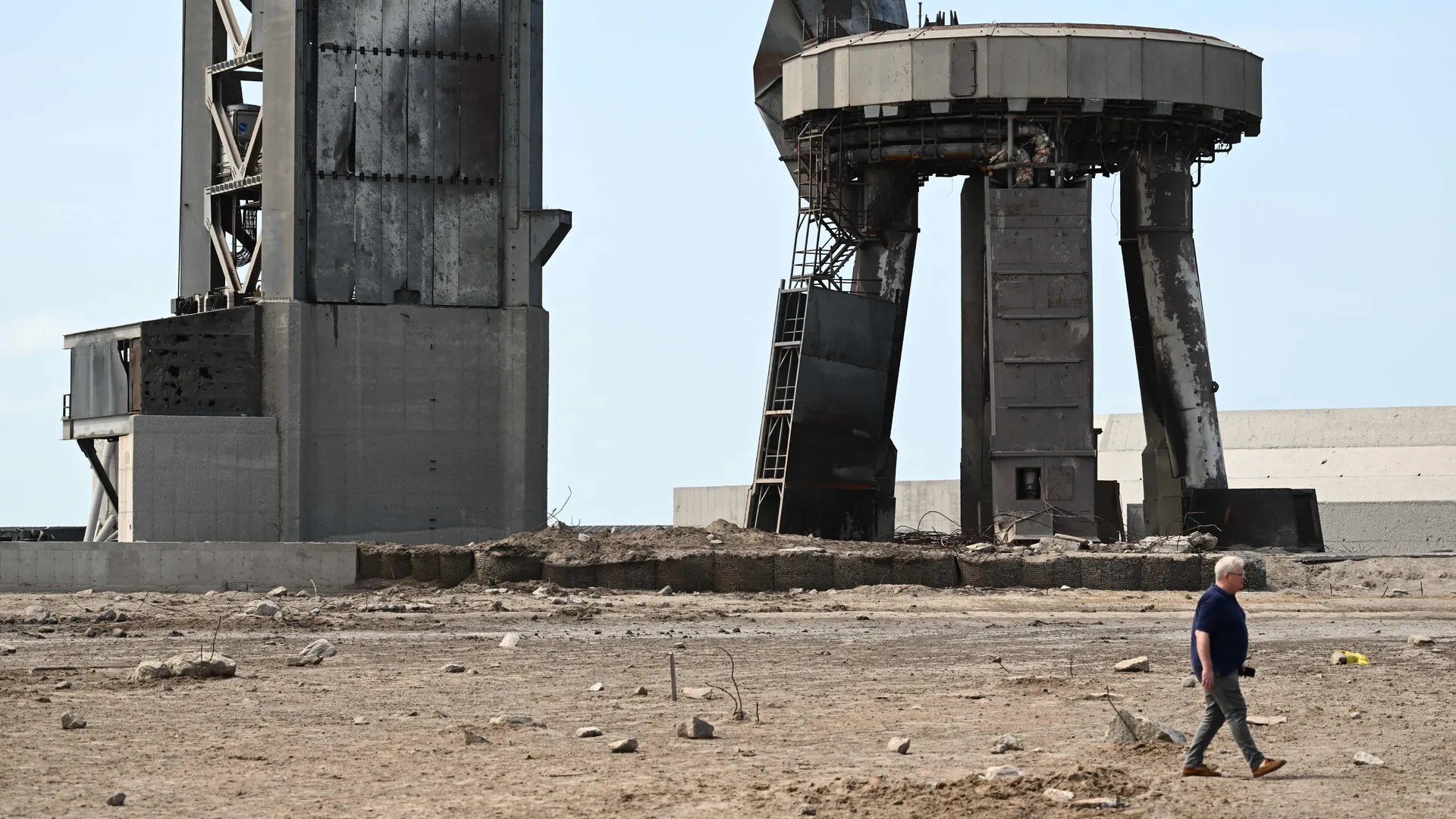
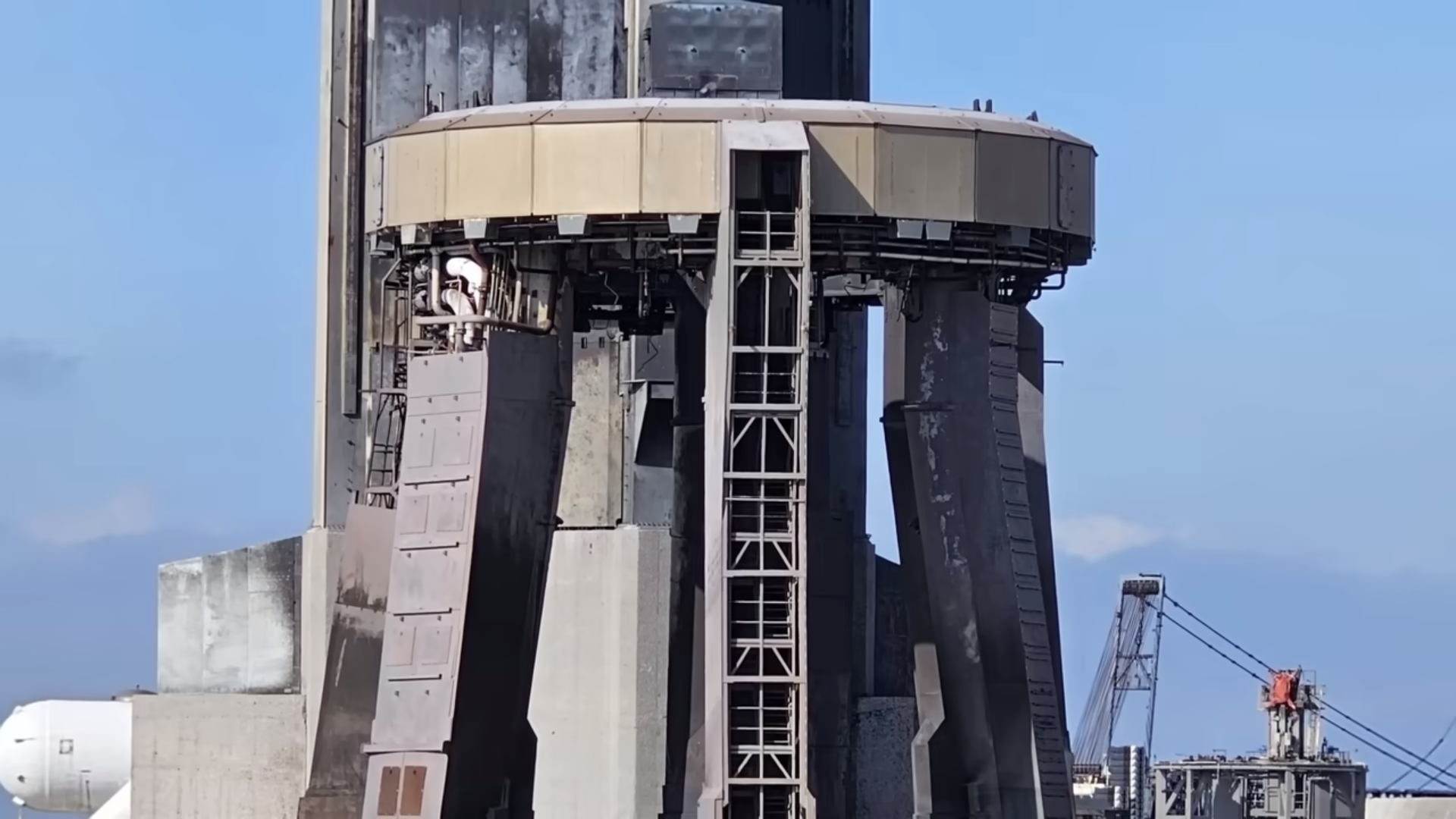
SpaceX built a water deluge system to protect the launch pad, cooling the metal to keep its structural integrity, and it seemed to have worked. The launch pad and mount left the test nearly completely unscathed. Minimum work still needs to be done for minor repairs, but nothing as gargantuan as the first outing.
I personally still have concerns over how all that thrust will impact the Moon’s surface. Granted, launching from the Moon will only utilize 6 Raptor engines, while the Super Heavy rocket launching from the Earth uses 33, so there is less destructive capability. But there is not a water deluge system underneath a metal launch pad built on the Moon right now, protecting the Earth; there’s only rock and dust. I’m sure when the launch date of Artemis III approaches, these concerns will be addressed. But only time will tell.
From SpaceX’s official update on their website: “Success comes from what we learn.” Engineering is an iterative process, you’re never going to get it right the first time. So you test, and each time you do, you learn. You learn how to not melt a launch pad, or separate your stages. You learn how to get to space, and eventually, you learn how to get back to the Moon.
SpaceX is already completing their final preparations for a third test flight, which will happen very soon.
 Space Savvy
Leave a comment