Last Sunday, November 19th, I was reading my local newspaper, and I found myself in the comics section. Usually there are only a few strips that I read consistently, but my mom pointed one out for me to see. It was an Arlo and Janis strip, by Jimmy Johnson, and it revolved around the International Space Station and Daylight Savings.
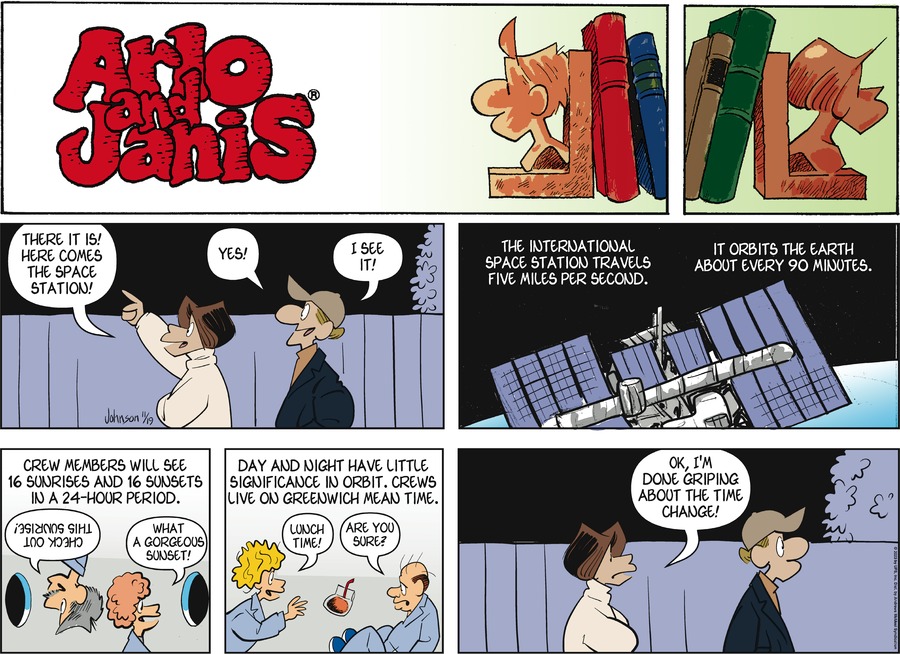
The comic got me thinking: how do you keep time in space? Would there be a difference when we reached the Moon?
History tells us that there would not be that much of a difference on the Moon compared to the ISS. The clocks that astronauts used were synched up with those at mission control. For example, during the Apollo missions, the astronauts used Central Time Zone, or UTC-6:00, since that is the time zone Houston resides in. Yuri Gagarin, the first man to reach orbit, had his clocks set to Moscow Time (UTC +3:00). And all the probes and rovers that have been sent up to the Moon recently have all been set to their own local times.
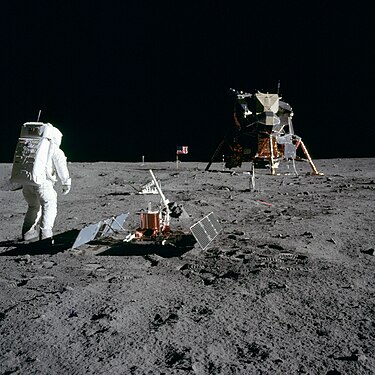
But this might have to change relatively soon. After the Artemis Missions, commercial companies are looking to send their own probes and rovers to the Moon to extract resources, and there are plans for a permanent Moon base. Just like in the ISS, there will be people, and companies, of different nationalities, all coming from different time zones. If during communication, time gets brought up between those who have different times programed into their systems, things will get confusing really quickly.
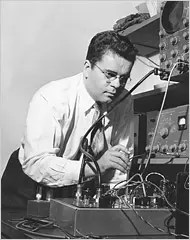
Thankfully, someone already came up with a solution. Back in 1970, during the peak of the Apollo missions, Dr. Kenneth Franklin devised a way to keep track of Moon time, or at least time that is relative to the sunrise and sunset on the Moon. Not dissimilar from how the earliest of humans divided time into sections based on the rotation of the Earth, Dr. Franklin did the same for the Moon.
While it only take the Moon one day to orbit the Earth, it takes nearly 30 days (29.53 to be exact) for sunlight to work its way around the Moon’s surface, which is called a lunation. This is the equivalent to one day on the Moon, with 15 Earth days of sunlight at the equator and another 15 of dark. We see this in the phases of the Moon, where it takes approximately a month to see a full moon again.
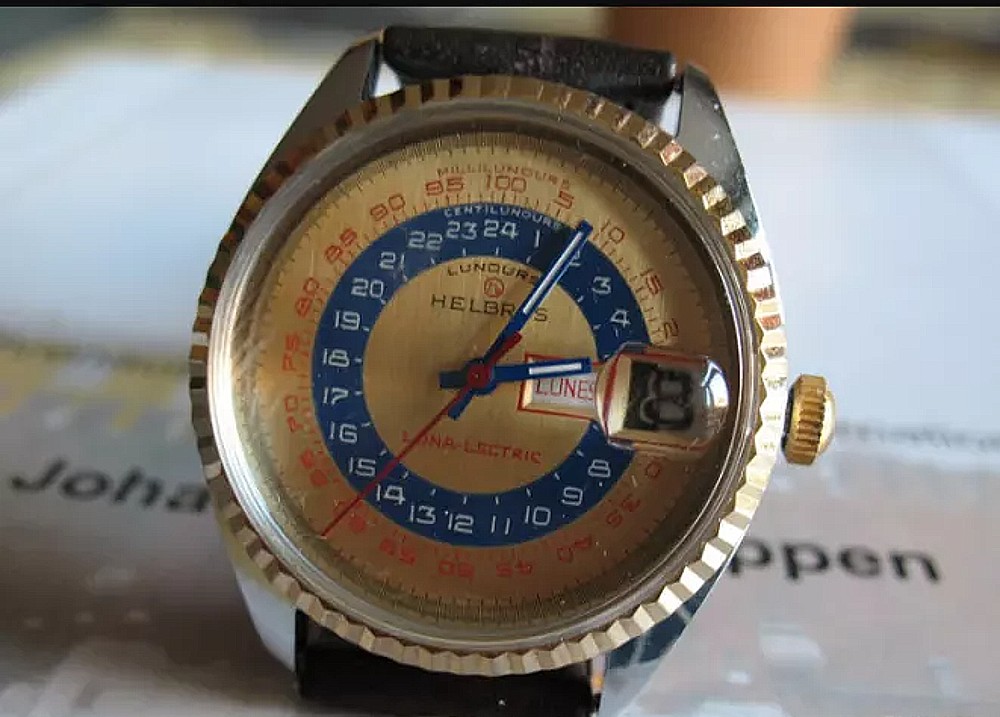
Dr. Franklin divided the lunation into 30 equal pieces, or lunes, so that one piece would closely resemble one Earth day. It is then subdivided into 24 lunours (lune-hours) and then further into 100 and 1000 pieces, or centilunours and millilunours, instead of minutes and seconds.
After Dr. Franklin made these mathematical calculations, Helbros, a dying watch manufacturer, built a functional prototype of a Moon watch in 1970. It seemed like they were trying to build off the hype of the Apollo missions, banking on what Dr. Franklin himself postulated, that “In the not-too distant future, we will have reasonably permanent bases on the moon.” Obviously, that did not happen; lunar watches did not sell and Helbros as a company died out.
But now with this resurgence in lunar missions, it seems like a need for lunar time has returned. Back in November of 2022, there was a meeting in the Netherlands where many space agencies from around the world agreed that there is a need for a lunar time zone. Whether or not they will use the timing system created by Dr. Franklin and Helbros is unknown, but it will be interesting to see what they come up with.

 Space Savvy
Leave a comment