2024 is off to a *great* start.
On Tuesday, January 9th, 2024, it was announced by NASA that the upcoming Artemis II and III missions are going to be postponed by a year, with the hope of launching in September 2025 and 2026, respectfully.
In a statement regarding this unexpected delay, NASA Administrator Bill Nelson says that:
“We are returning to the Moon in a way we never have before, and the safety of our astronauts is NASA’s top priority as we prepare for future Artemis missions.”
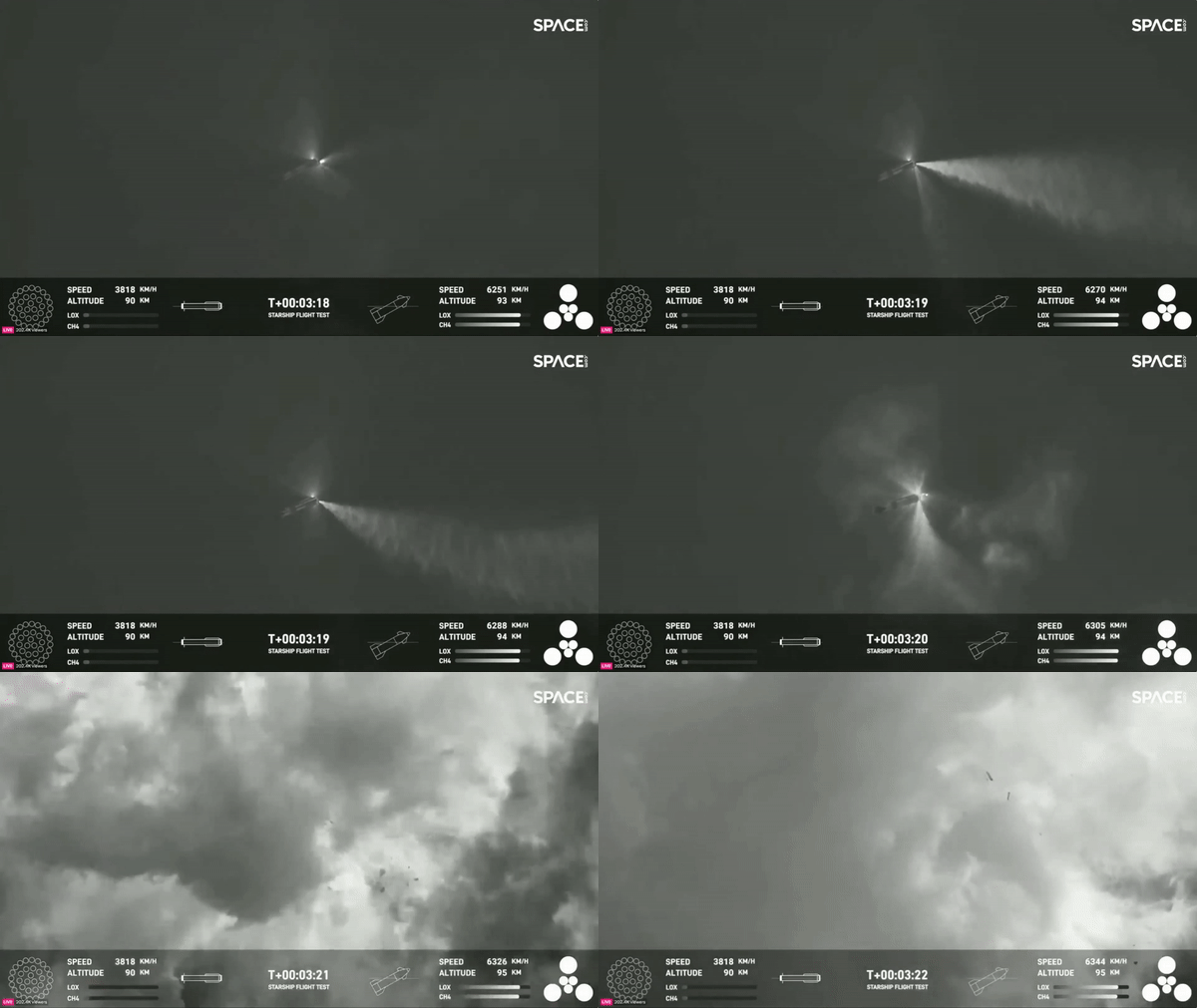
Now, the keyword “safety” definitely raised some alarms for me. As someone who has written multiple articles on the topic, I initially thought these delays were the result of the failed Starship tests. But if that truly were the case, then only Artemis III, the first mission with Starship, would be postponed.
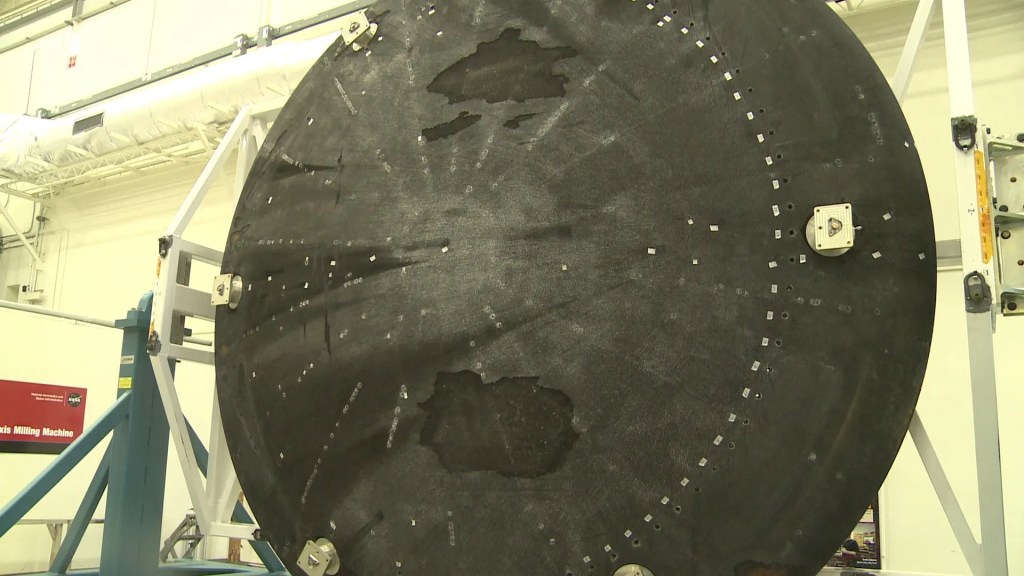
The safety concerns Nelson referred to primarily focused on the Orion capsule, which will be used for the Artemis II mission. There are issues with some electronics powering the life support system and damage to the launch tower that still need repairs. NASA is also still investigating Orion’s heat shield that almost completely charred away during a previous, unmanned test.
While I am happy that NASA has the safety of the four astronauts in high priority, I can’t help but be disappointed in the situation. I believe that this postponement highlights an underlying issue of how the US government has previously mistreated and ignored NASA and their space program ever since Apollo.
Now, I understand that claiming that the US government “ignores NASA” is a very bold claim, which on the surface seems entirely incorrect. The agency still launches hundreds of rockets and satellites, year after year, exploring and discovering new parts of the universe while providing vital information to us on Earth. The International Space Station (ISS) has been in commission for the past 23 years, and will continue to be in use until 2030. So, the government clearly invests in what the agency is doing.
However, the percentage of the federal budget that NASA receives every year has actually halved since 1975, when the last Apollo missions took place. There has also been zero consistency, until recently, in the direction the space program is supposed to take, due to partisan leadership changes.
A Brief History of Changing National Space Policies
Let’s just look at the 21st century: the ISS has been built and just started being occupied by astronauts thanks to the Space Shuttle program. In 2004, then-President George W. Bush introduced the Vision for Space Exploration (VSE) and the Constellation program that would carry out his vision. He promised that no later than 2008 (an election year) that robotic missions to the Moon would launch in preparation for manned missions no later than 2020.
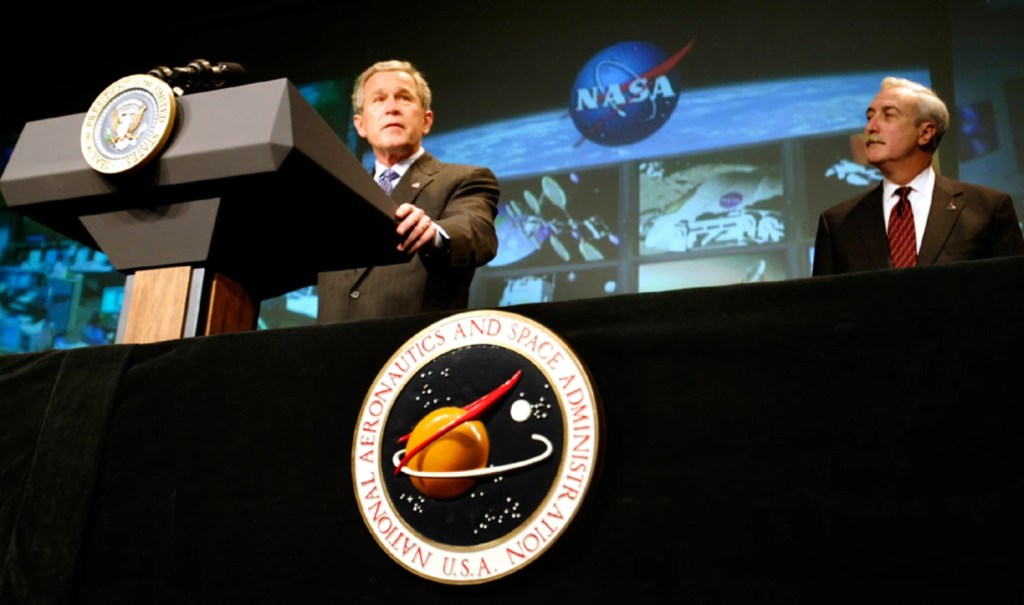
By the time 2008 rolled around, the Constellation program was well behind schedule and very likely to be cancelled after the election.
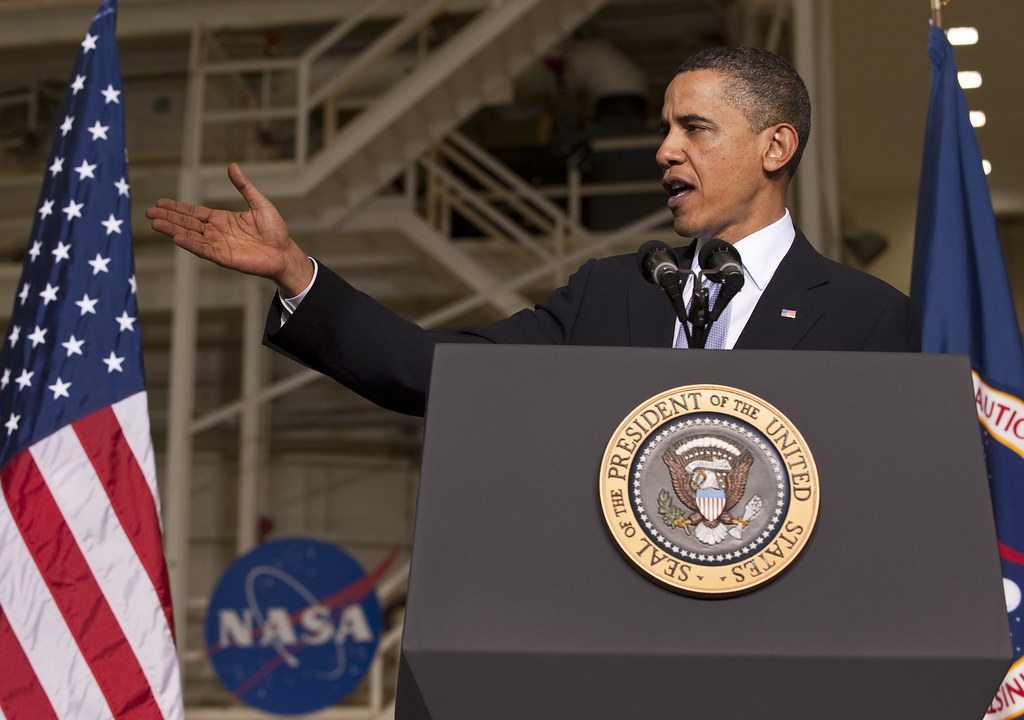
When Barack Obama was elected President, he declared Constellation to be “over budget, behind schedule, and lacking in innovation.” In 2010, he cancelled the program and changed the space policy so that it did not include a return to the Moon. Instead, he promised the design of a different launch vehicle by 2015 (just before another election year) to explore asteroids in 2025 and orbit Mars in the 2030s.
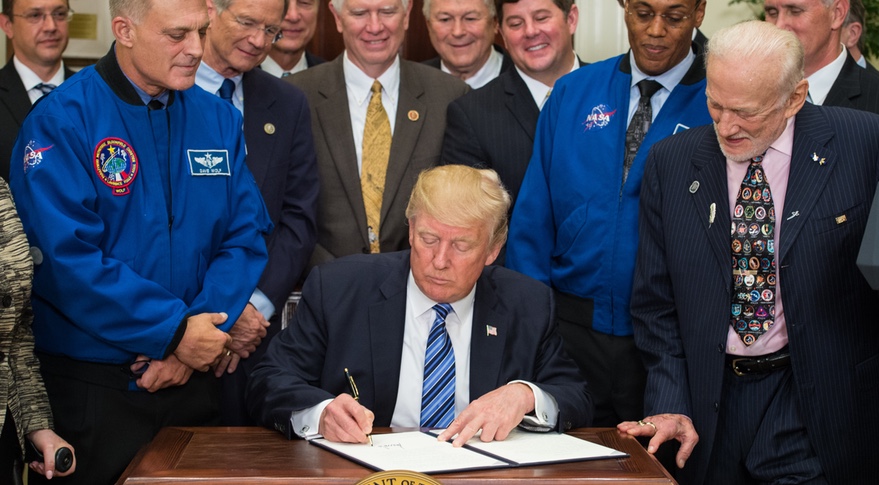
This plan was then scrapped when Trump took office in 2016, and later in 2017 he signed Space Policy Directive 1, starting the current Artemis program to return to the Moon and venture further beyond to Mars, which has continued into Biden’s presidency.
Return on Taxpayer Investment
Now that the Artemis missions have been prioritized by the government, NASA had to come up with a way to get to the Moon. Almost all of the crewed missions NASA carried out were to the ISS in Low Earth Orbit (LEO), and therefore, the ships carrying those astronauts were not accustomed to travelling much further outside our atmosphere.
This is where Orion comes in. Originally a part of the Constellation program, the ship was commissioned to be built back in 2006, almost twenty years ago, before that program was ultimately cancelled.
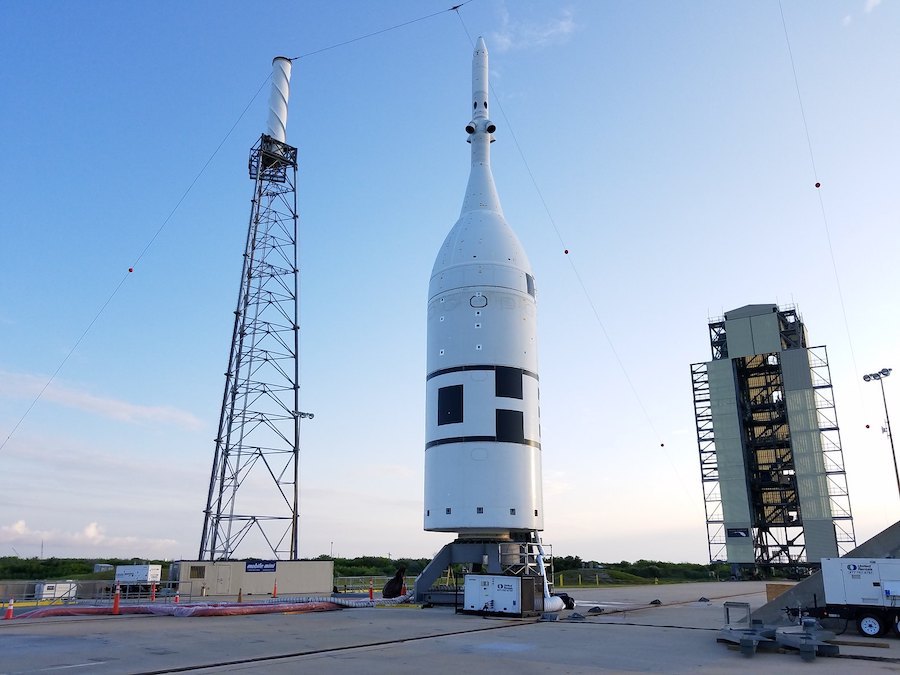
So, why are we planning on going to the Moon for these Artemis missions on nearly twenty year old technology? Well, to put it simply, because it’s already been built.
While Orion was unable to be used for its original purpose in the Constellation program, it was quickly repurposed for NASA’s Moon to Mars initiative under Obama’s presidency. It completed four uncrewed tests by 2014, proving its capabilities as a potential ship for lunar missions.
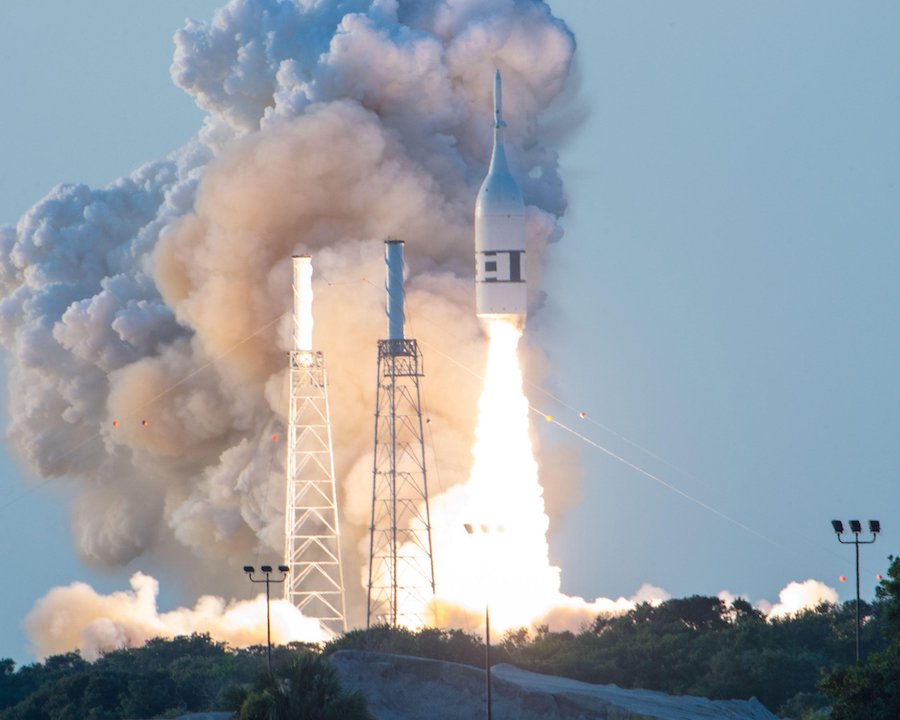
By using an older ship for these Artemis missions, NASA is saving not only future resources that could be used on future projects, but also the past resources used to create Orion. So much time, energy and money went into its development, that letting it rot in a garage somewhere would be a disservice to all those who worked on it, letting it go to waste.
This is a main reason why SpaceX has been commissioned to develop Starship. If NASA were the ones testing the rocket, blowing it up after every test, they would be spending money that they frankly do not have. By commissioning someone else to built and test their ships, there is a more direct return on their investment, since they are spending less and generating the same product.
Currently, NASA is doing all the right things to achieve the goals of Artemis. The safety of the four astronauts is the utmost priority, so a delay is necessary.

However, I can’t help but think that if NASA was able to maintain consistent direction throughout presidential leadership changes, we would have returned to the Moon decades ago. Orion would have been used as intended when it was intended. I am just glad that we have finally found a constant goal to strive toward, and I hope that whatever happens after this upcoming election, that the goal remains unchanged.
 Space Savvy
Leave a comment