On April 2nd, the Biden administration ordered NASA to create a lunar time zone for the Moon by the end of 2026, the same year NASA is planning to return humans to the Moon through the Artemis III mission.
With a growing number of countries and private companies looking to capitalize on this new lunar market and create a permanent human presence on the Moon, there is a need to have an established time to base everything out of.
But why is this necessary? Well, due to the Moon experiencing different general relativistic effects than the Earth (lower gravity on the Moon than the Earth), time moves faster on the Moon, 58.7 microseconds faster to be exact! And though this does seem insignificant, considering a microsecond is one millionth of a second, it does add up over time and could lead to some inaccuracies if we don’t take it into account.
While NASA is spearheading the creation of Coordinated Lunar Time (LTC) thanks to the Biden administration, this project is not made for America alone. Right now, 36 countries have signed the Artemis Accords – an international agreement that set guidelines, principles and practices on safe exploration of the Moon and beyond – so LTC must be accepted internationally. It is another step in ensuring international cooperation and further space exploration years down the line.
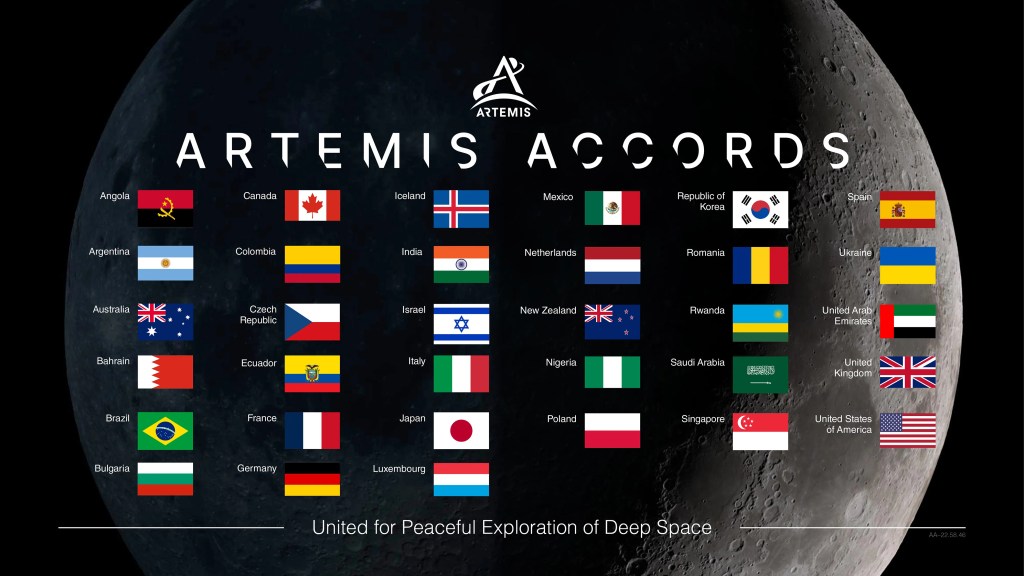
(Not pictured are Belgium and Uruguay)
Now this isn’t the first time that we have considered a lunar time zone. As I mentioned in an earlier post, Time Zones in Space, Dr. Kenneth Franklin proposed a lunar time in 1970 based on the sunrises and sunsets on the Moon. That idea did not gain much traction at the time, and it won’t be the solution for the LTC.
In order for the LTC to be traceable to what we use on Earth, it must be rooted in UTC (Coordinated Universal Time), and the atomic clocks the world uses to tell the time. Dr. Franklin’s proposed solution has no basis in how we tell time on Earth and would be too complicated to convert back and forth in communication with landers and astronauts on the Moon. Linking it to UTC allows for better accuracy of measurements and easier communication, which can make the hostile lunar environment relatively safer.
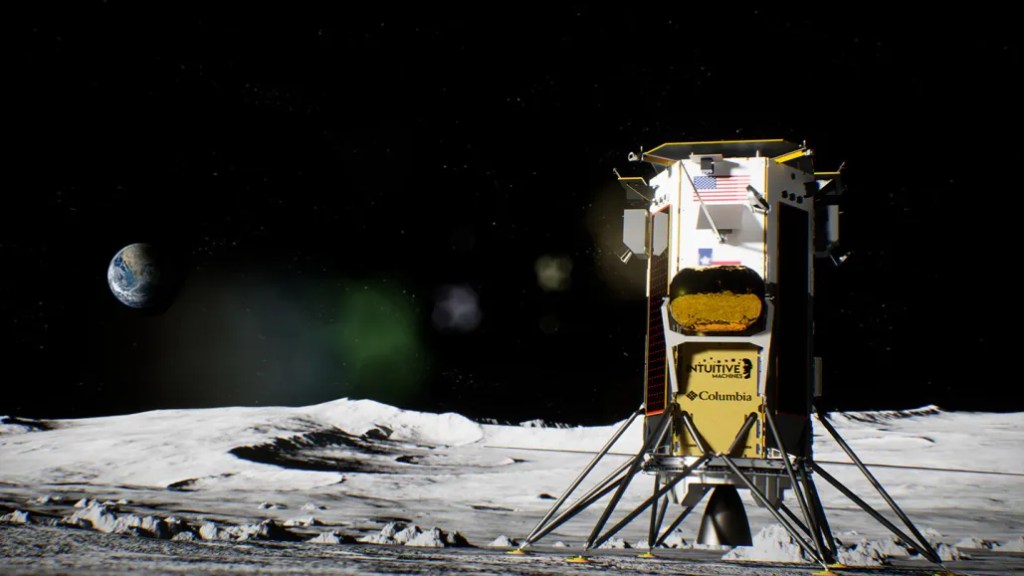
This project should be completed before the beginning of the Artemis IV mission, where time is crucial for the astronauts who will be building the first lunar base, spending multiple days on the Moon, in 2028.

 Space Savvy
Leave a comment