China has revealed that their Tiangong space station was impacted by space debris two months ago. Astronauts on the Shenzhou 17 mission living inside of the station experienced a partial loss of power when some debris cut through power lines connecting to a section of their solar panels. Thankfully, they were able to repair the damage through two separate eight-hour space walks.
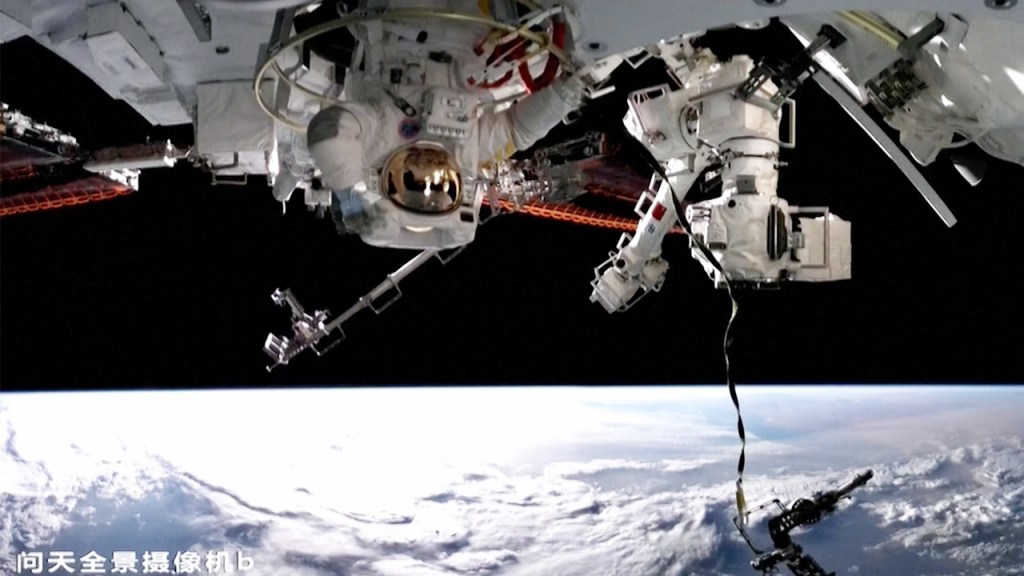
The Tiangong space station, like the ISS, is fitted with a system to detect space debris that might come within a certain radius of the station. If junk is predicted to become a significant threat to the station, then Tiangong can perform preventative maneuvers to avoid impact. Unfortunately, according to the Chinese Manned Space Agency (CMSA), that system has had a false alarm rate of 30%, and they are tasking the astronauts on the next mission, Shenzhou 18, on adding reinforcements to the system to allow for more accuracy.
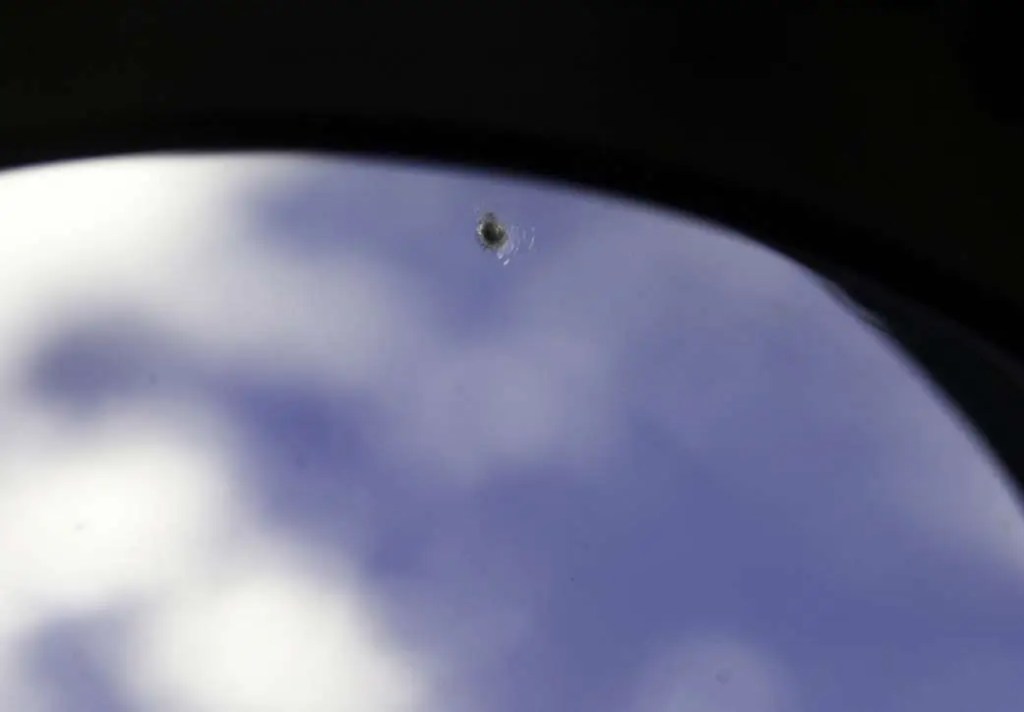
The Chinese media did not specify if the damage was caused by micrometeoroids or from man-made space junk. Millions of each orbit the Earth, and both are serious threats to our satellites and space stations currently orbiting the Earth.
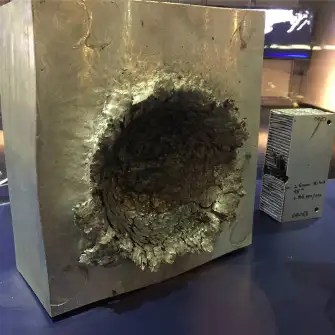
Micrometeoroids are exactly what they sound like: really, really small fragments of meteoroids, usually smaller than a grain of sand. These are the result of collisions between meteors millions of miles away, and they could have been caused millions of years ago. When they approach Earth, they either fall into the atmosphere and burn up, or they orbit the Earth at 10 kilometers per second, or nearly 22,000 miles per hour.
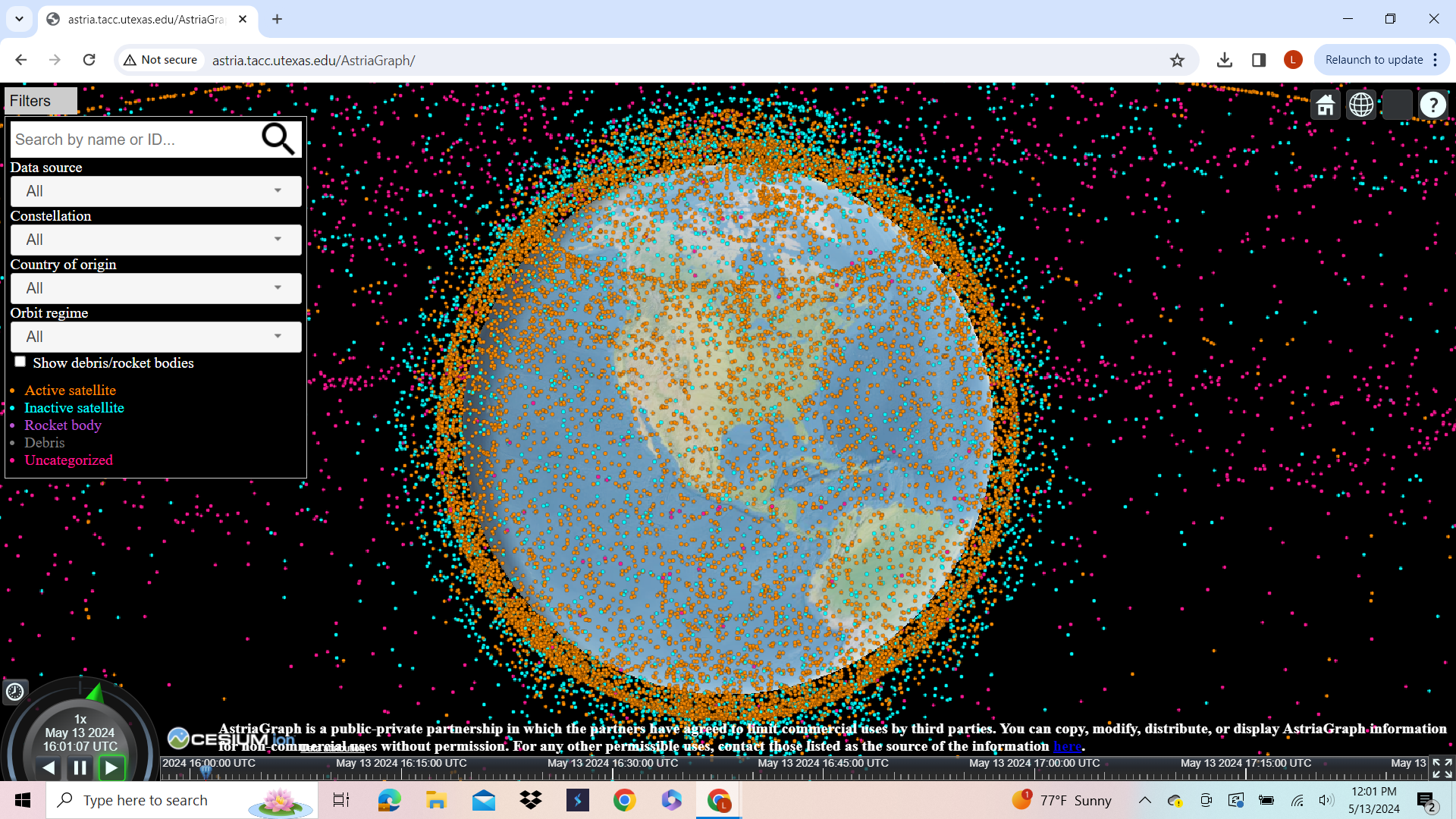
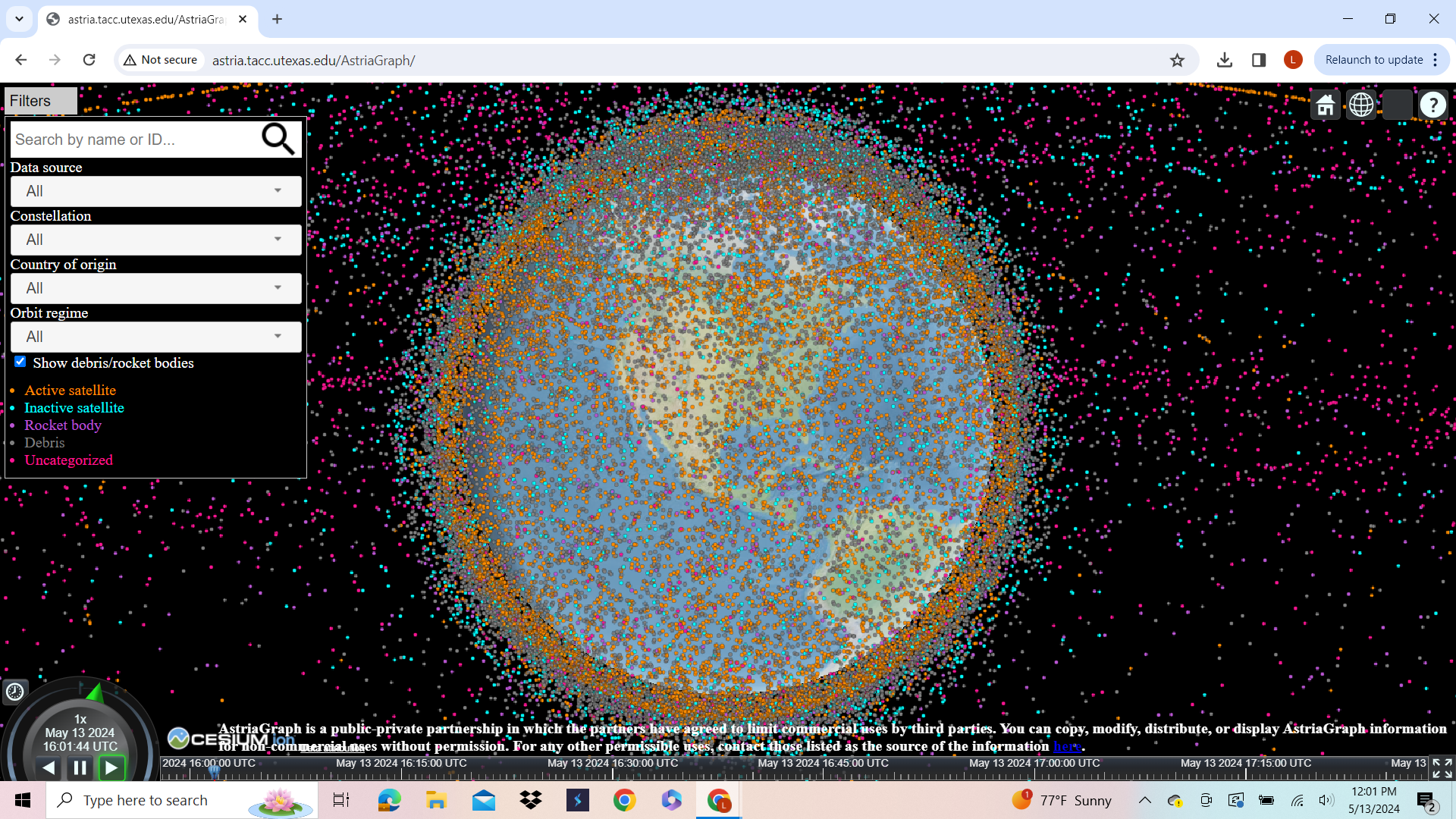
According to space-track.org, there are nearly 45,000 known objects currently orbiting the Earth, with 42% of those objects being listed as debris. That percentage is likely larger, and is increasing.
More objects are being launched into space on a regular basis, and as this new space age is developing every day, there is only going to be more traffic, and more potential targets for micrometeoroids to impact and damage. According to NASA, micrometeoroids can cause damage to satellites similar to seven kilograms of dynamite on Earth. Collisions that severe can create thousands more particles of debris, traveling at high speeds near other objects, and a chain reaction may occur, creating a mess above our atmosphere that we would be unable to fly through. Some scientists fear that we are already at the critical mass before a total, catastrophic cascade.
Sites like the aforementioned space-track.org and the University of Texas’s AstriaGraph can track orbital debris that are the size of a softball, and they give beautiful visualizations of just how cluttered space has started to become.
Thankfully, we have begun to make great strides in mitigating the damage we have created. Satellites are being programed to either enter the Earth’s atmosphere and burn up when decommissioned, or use the last of its fuel to leave Earth’s gravitational pull. With SpaceX’s innovation of reusable rocket stages, less unnecessary objects are getting into space, so we don’t have to worry about the extra junk that could become micrometeoroid target practice. There are even companies, like ClearSpace, whose mission is to send probes into orbit to collect and bring them away from functioning payloads.
Innovations and missions like these will ensure a safer future for the many space programs that are looking to take advantage of this new space age. It is important that this is a continued priority in the industry, since we don’t want this new age to end before it is just about to begin.
 Space Savvy
Leave a comment