Yes, it’s true, the sky is bleeding. And, no, this is not the long-awaited sequel to Chicken Little.
Over the past year red hazes have been appearing in the night sky, looking similar to the rarer red auroras of the Northern Lights. Interestingly enough, these natural phenomenon have been the result of some unnatural causes, seen after rocket launches.
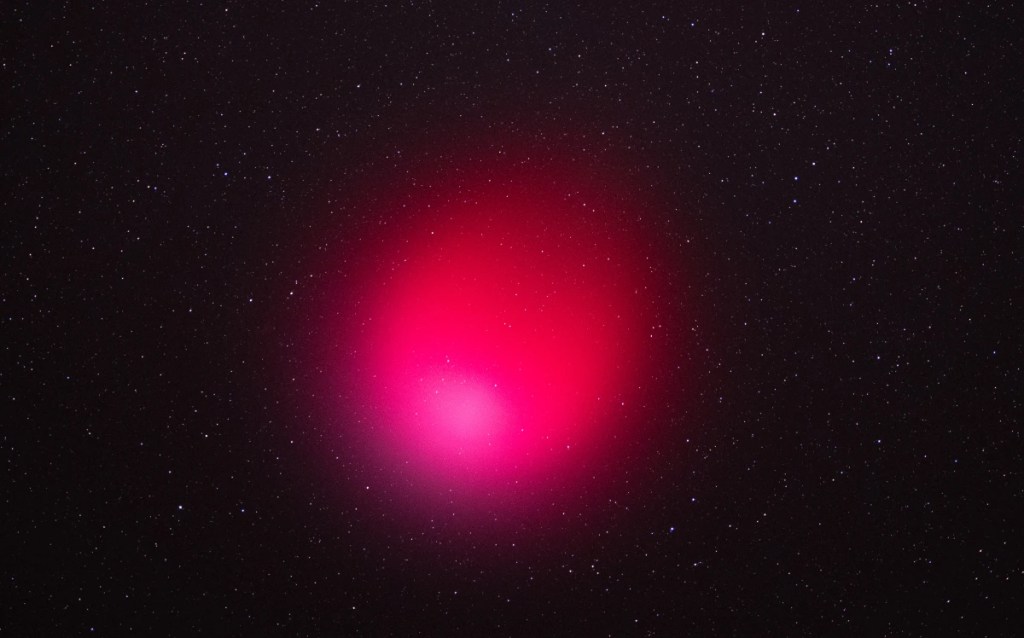
When a rocket launches into space, there is a chance that it will punch a hole into the ionosphere, which is 50 to 400 miles above the Earth’s surface, where the Northern Lights take place. This is also when the second stages of these rockets start to burn their predominantly-oxygen fuel, leaving carbon dioxide and water vapor out of its exhaust. These molecules interact with the ionized oxygen atoms in the ionosphere and become normal oxygen gas (O2).
The recombining of these molecules excites the oxygen, and releases its excess energy as light. Since rockets’ second stages burn their fuel between 125 and 190 miles above the surface, and the excited particle is oxygen, a red aurora is created.
Scientists have been witnessing this phenomenon since 2005, when NASA and the Air Force launched their final Titan rocket. But as private companies like SpaceX continue to launch more rockets, whether to put satellites into orbit or test rockets for future missions, this phenomena is becoming more common.
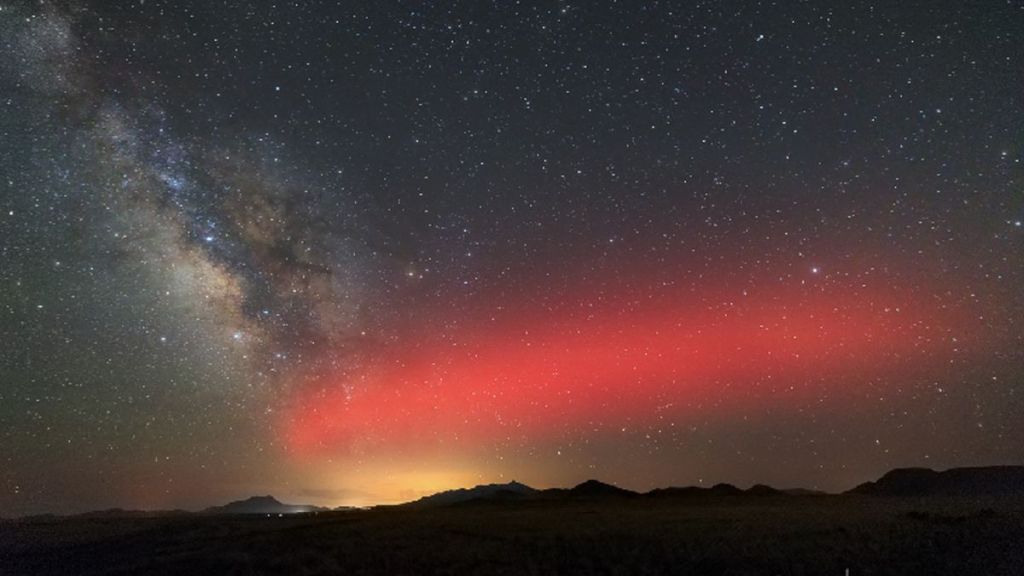
Astronomers have been witnessing this event at the University of Texas McDonald Observatory, which is over ten hours away from SpaceX’s Starbase (which is one of SpaceX’s main launch sites). They claim that they see these aurora between two to five times every month, and it could increase as the private sector becomes more competitive. They’ve been seeing them so much, in fact, that these aurora have been dubbed “SpaceX auroras”.
Is there any cause for concern with this increased frequency of aurora? Just like with naturally-occurring auroras, there is no potential for any harm to witnesses of the event. However, due to their unnatural and destructive origins, there are some unforeseen consequences that we might need to tackle in the coming future.
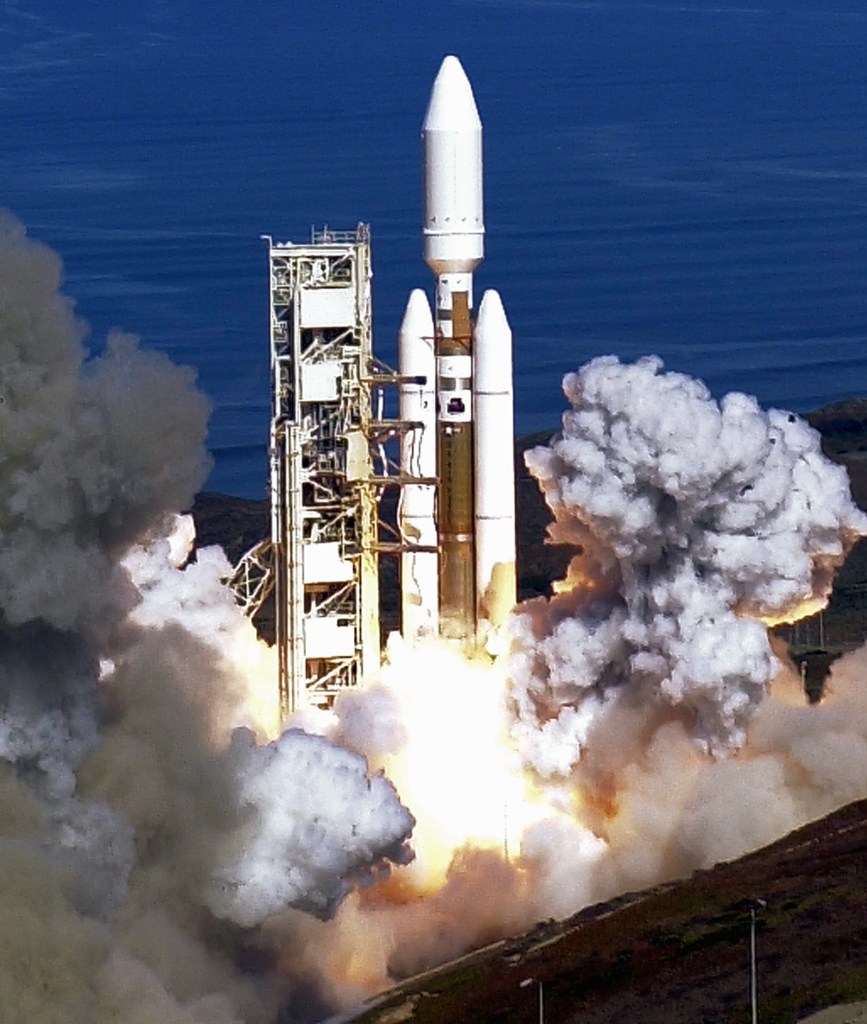
Shortly after the 2005 Titan IV launch, a paper was published in the Space Weather journal by Michael Mendillo. In the paper, Mendillo and his team looked at the disturbance in the ionosphere caused by Titan IV, and how the rocket caused a man-made geomagnetic storm. When these storms occur naturally, they can interfere with radio transmissions and GPS signals, impacting both navigation and communication.
In their conclusion, Mendillo and his team write that while there is concern over how the unnatural geomagnetic storms impact aircraft navigation specifically, these navigation hiccups can be avoided. Since companies are and agencies post their launch dates well in advance, the possible disturbances created can be predicted and avoided, so long as there is proper communication if they are postponed for any reason.
With the increase in frequency of these aurora over the next few years, there is a greater chance that anybody can see them in the coming future. A nice taste of the northern lights from the comfort of your (relatively) southern home.

 Space Savvy
Leave a reply to Samuel Stafford Cancel reply